Patient information
Recovering from hip replacement
Most people recover from an anterior hip replacement with modest discomfort and are back to normal activities by 6 to 8 weeks. You’ll be up on your feet a few hours after surgery, with a short walk the same day if your operation is early, using crutches or a four-wheeled walker. The keys are regular simple pain relief, short walks rather than hard exercise in the first 4 weeks, and leaving your dressing alone until your wound check.
What’s normal after surgery
- Swelling of the whole leg is part of healing. It usually builds until day 7 to 10, then settles gradually over the following months.
- Discomfort is usually very manageable. You may only need stronger painkillers for the first few nights.
- Bruising can happen even though muscles aren’t cut. Ice and not overdoing it help.
- A numb patch on the outer thigh is common, from a skin nerve held aside during surgery. Feeling usually returns to some degree over months.
- Weakness lifting the leg, for example getting in and out of bed, is normal at first and improves. Don’t try to exercise it away.
Pain relief
Take paracetamol and anti-inflammatories regularly unless you’ve been told not to. Unless you were taking opioid painkillers (such as oxycodone or tapentadol) before your operation, you usually won’t need them regularly afterwards. In hospital they’re charted on an as-needed basis, so they’re available if you need them. Opioids can cause nausea, constipation, light-headedness and dependence, so use them only as needed.
Ice and elevation both reduce swelling and pain. When resting, raise your leg above the level of your heart for a few hours a day. Also spend time sitting out of bed in a chair so you can breathe deeply.
Looking after your wound
Your wound is closed with dissolving stitches and glue, so nothing needs removing. The dressing is water-resistant: you can shower, but don’t bathe or swim until you’ve been told the wound has healed. Leave the dressing in place until your 2-to-3-week wound check. Please don’t lift it to look, as that increases the risk of infection.
Swelling and mild warmth around the wound are normal.
Four exercises for the first four weeks
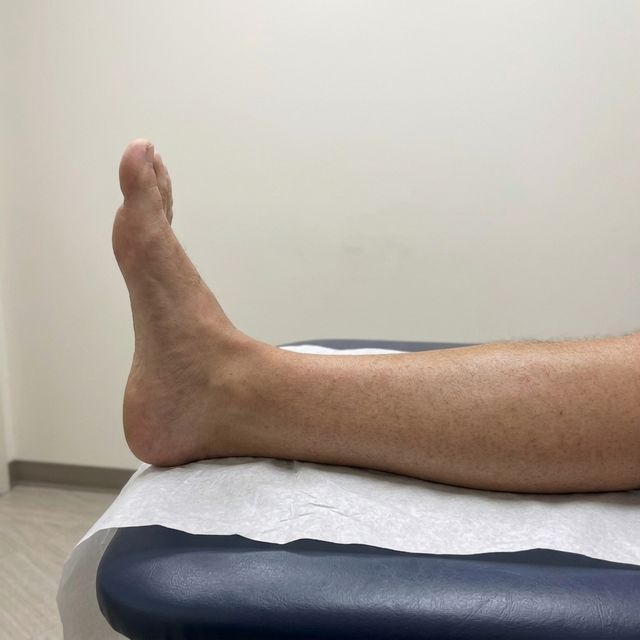
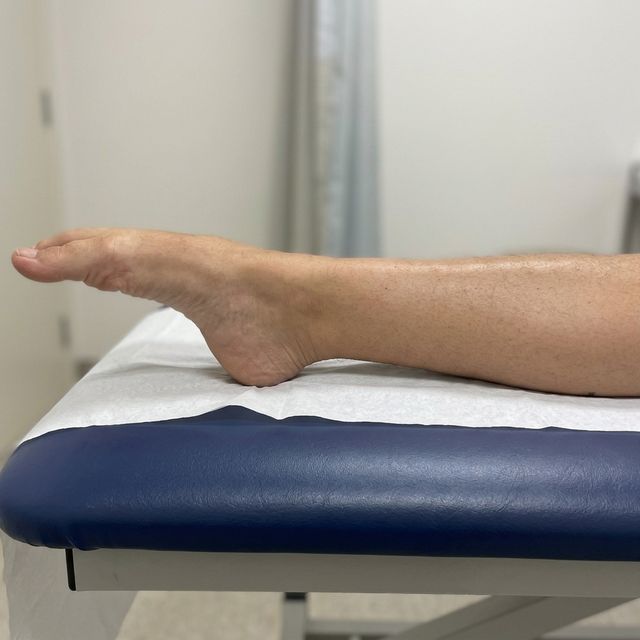
- Ankle pumps. When sitting or lying flat, pull both feet up, then point your toes firmly away from your body. Move only your feet and keep your legs on the bed. Hold the pointed-toe position for 3 seconds. Repeat 20 times, every hour.
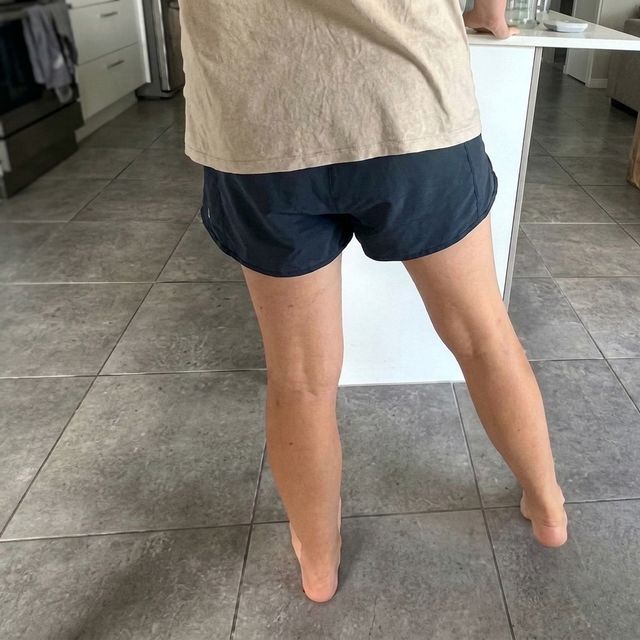
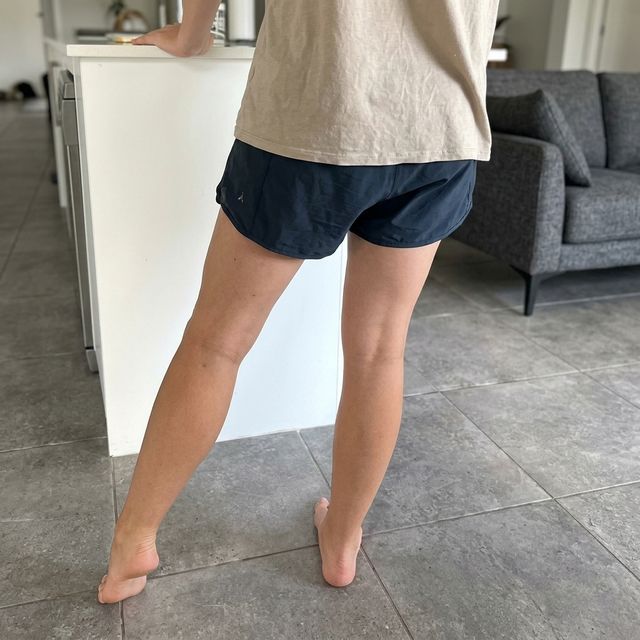
- Supported weight shift. Stand up straight in front of something sturdy, using your hands for support. Slowly shift your weight onto one leg, then towards the other. As this gets easier, you can lift the leg you’re not standing on off the ground for a second. Repeat 10 times each way, twice a day.
- Hip flexor stretch, operated side only. Lie on the bed with your legs hanging off the end. If you can, lift your non-operated leg and hug that knee towards your chest; if you can’t, keep both legs flat. Your operated leg stays dangling off the edge of the bed, with your thigh supported by the bed. You should feel a gentle stretch through the front of your operated hip. Don’t repeat it on the other side. Hold for 15 seconds, 3 times, twice a day.
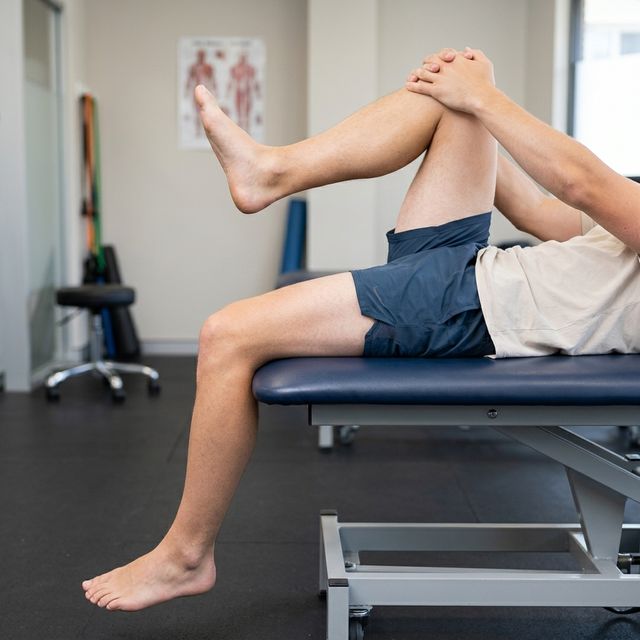
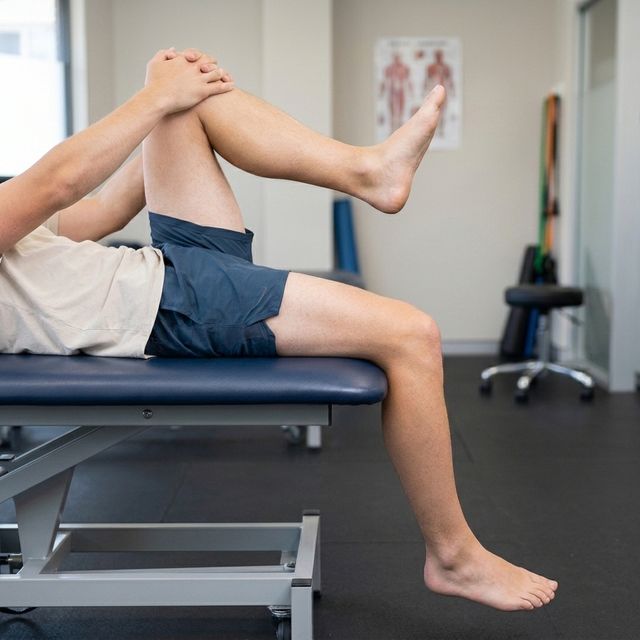
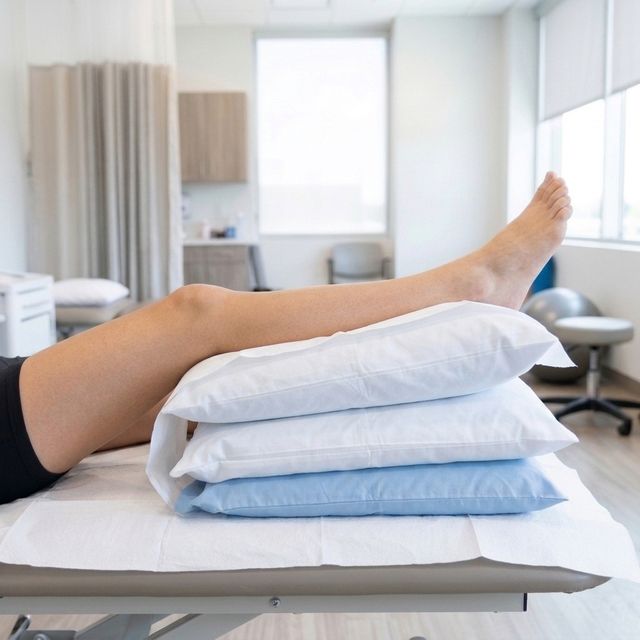
- Elevation. Stack 3 or 4 pillows on a couch or bed and rest your lower leg on them, with your knee supported. You can use an ice pack on the operated area at the same time. Aim for about 30 minutes at a time, regularly through the day whenever you’re resting.


Follow any specific instructions your physiotherapist or Dr Connon gives you.
Exercise and activities
- Crutches: use two crutches for the first 2 weeks. Then use one crutch for the next 2 weeks, held on the side opposite your operated hip.
- Blood-thinning medicine: aspirin 100 mg once a day for 4 weeks is usual, but this is individualised: follow the instructions you are given.
- First 4 weeks: the best exercise is a short walk, along with the four exercises above. Don’t overdo hip-bending exercises, which can irritate the wound.
- From about 4 weeks: reconnect with your community physiotherapist to build strength.
- Precautions: no routine movement restrictions, but bungee jumping is not allowed. You don’t need the special toilet seats or movement restrictions used after posterior hip replacement. [1]
- Driving: once you’re off opioid painkillers. Usually about 2 weeks for a left hip (automatic car), up to 4 weeks for a right. Check at your wound review. [2]
- Swimming and hydrotherapy: about 4 weeks, once the wound has healed.
- Yoga: about 6 weeks. Surfing: about 12 weeks. Golf: short game when comfortable; full swing once your physiotherapist is happy with your strength and stability.
Your follow-up
- 2 to 3 weeksWound check with our nurse practitioner.
- 6 to 8 weeksReview with Dr Connon. Have your post-operative X-ray done beforehand.
When to call us
Call our rooms on 07 5413 4300 straight away if you notice:
- new ooze through the dressing, or water getting under it
- a fever
- pain that suddenly gets worse
- painful swelling in your calf, which can be a sign of a blood clot
Sudden shortness of breath or chest pain is an emergency: call 000.
If you’re concerned outside office hours, go to your nearest emergency department. The emergency team can contact Dr Connon through the hospital switchboard.
Common questions
How long does it take to recover from an anterior hip replacement?
Most people are back to normal activities by 6 to 8 weeks. You’ll be up on your feet a few hours after surgery. Leg swelling usually builds until day 7 to 10, then settles gradually over the following months.
Are there movement restrictions after an anterior hip replacement?
There are no routine movement restrictions, but bungee jumping is not allowed. You don’t need the special toilet seats or precautions used after posterior hip replacement.
When can I drive after a hip replacement?
Once you’re off opioid painkillers. That’s usually about 2 weeks for a left hip if you drive an automatic, and up to 4 weeks for a right hip. Check with us at your wound review.
When can I swim, play golf or surf again?
Swimming and hydrotherapy at about 4 weeks, once your wound has healed. Yoga at about 6 weeks and surfing at about 12 weeks. For golf, play the short game when you’re comfortable, and a full swing once your physiotherapist is happy with your strength and stability.
Is a numb patch on my thigh normal after hip replacement?
Yes. A numb patch on the outer thigh is common, from a skin nerve held aside during surgery. Feeling usually returns to some degree over months.
References
- Restrepo C, Mortazavi SM, Brothers J, et al. Hip dislocation: are hip precautions necessary in anterior approaches? Clin Orthop Relat Res. 2011;469(2):417–422. doi:10.1007/s11999-010-1668-y
- Hernandez VH, Ong A, Orozco F, et al. When is it safe for patients to drive after right total hip arthroplasty? J Arthroplasty. 2015;30(4):627–630. doi:10.1016/j.arth.2014.11.015
This page is general information based on Dr Frank Connon’s patient information. It isn’t a substitute for advice about your own situation. All surgery carries risks, and outcomes vary between people.
Related
Anterior hip replacement
Total hip replacement through the direct anterior approach with Dr Frank Connon: suitability, how it compares with posterior, recovery, risks and costs.
About hip replacementPreparing for hip or knee replacement
Your appointments before joint replacement, Joint School, medicines, the 2 weeks before surgery, fasting and Sip Til Send, and what to pack for hospital.
How to prepareContact us
Call 07 5413 4300 to book with Dr Frank Connon. Rooms in Noosaville and Birtinya. Fax 07 5238 8022. Office hours Monday to Friday, 9am to 4.30pm.
Contact detailsAfter your surgery
Questions about your recovery?
If you’re not sure whether something is normal, call our rooms. We’d rather hear from you early. Outside office hours, go to your nearest emergency department. In an emergency, call 000.
- Phone
- 07 5413 4300
- Fax
- 07 5238 8022
- Office hours
- Monday to Friday, 9am to 4.30pm
Closed on public holidays. We aim to return voicemails the same business day.